

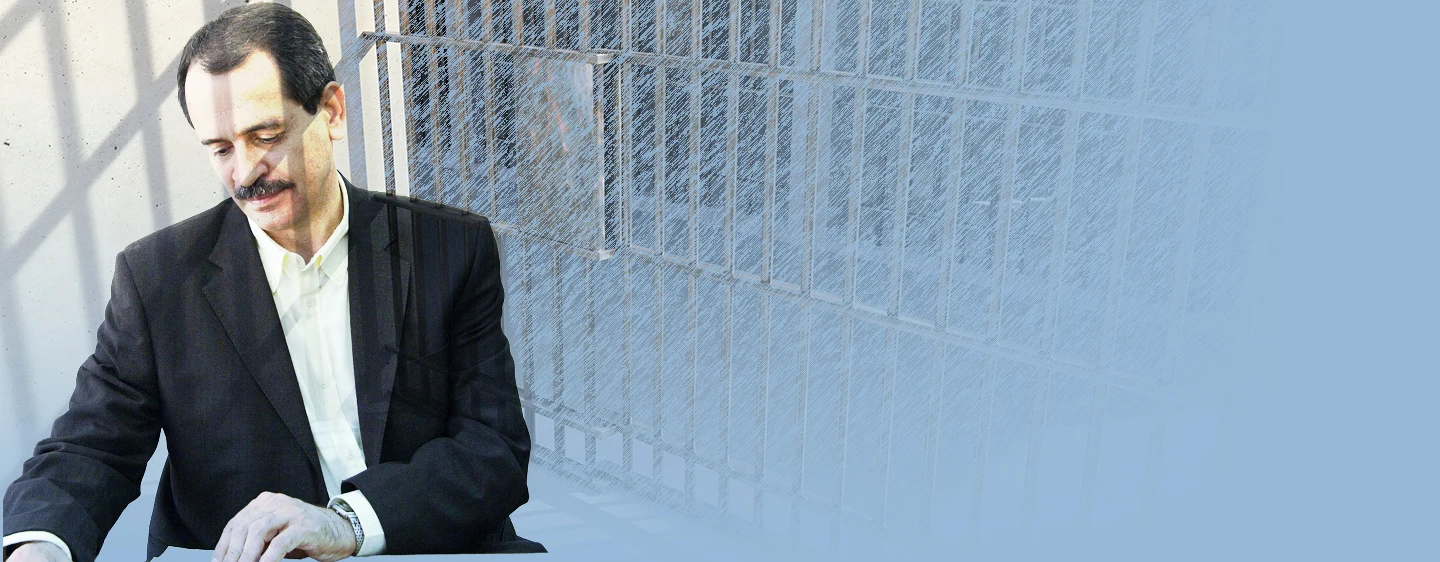
I, Mohammad Ali Taheri, began writing the four-volume series “My Defenses” with the aim of recording the facts, documenting widespread violations of human and legal rights, and providing a detailed account of the unjust and unlawful treatment I endured during my detention, interrogation, and trial in the Islamic Republic of Iran.



This community offers a clear picture of the unlawful detentions carried out by security agencies, the denial of the right to a fair trial, and the issuance of harsh sentences based on entirely baseless accusations. Many of these trials fundamentally based on ideological inquisition, which is explicitly forbidden by Article 23 of the Constitution of the Islamic Republic of Iran:
Inquisition is prohibited, and no one may be harassed or prosecuted merely for holding a belief.
Despite this fundamental principle, I was arrested and put on trial in a setting that closely resembled the inquisitorial courts of the Middle Ages, simply for introducing a new, holistic perspective in the studies of human and the universe. I faced charges such as, insulting Islamic sanctities, spreading corruption on Earth, propaganda against the regime, and ideological deviation. These accusations were not based on legal evidence, but rather aimed at silencing an idea and eliminating an alternative line of thought. The conduct of the security and judicial bodies in handling this case has been, in itself, a collection of legal violations, abuses of judicial immunity, and the use of inhumane and unethical tactics—from fabricating charges and exerting influence, to denying basic rights and mobilizing every available financial, political, and media resource to suppress a new way of thinking.
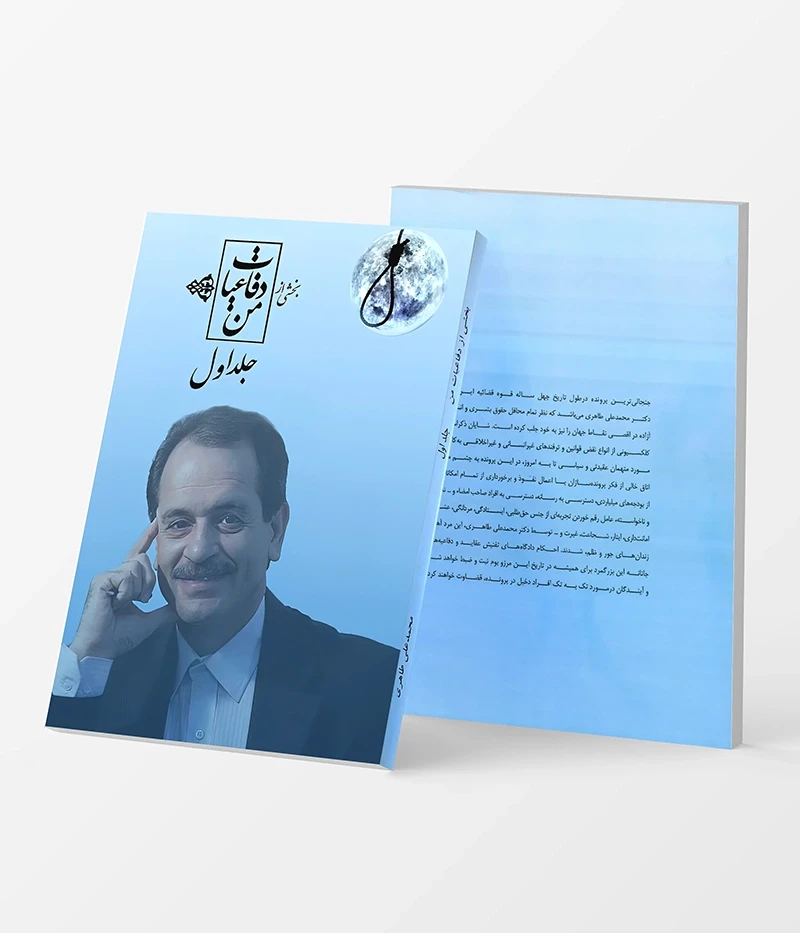
The fourth volume of this book series, titled “Part of My Defenses,” includes my official complaints to the Article 90 Commission of the Parliament, as well as my formal renunciation of citizenship from the Islamic Republic. This was a protest action taken within a legal framework to document an unlawful process for the historical record. The purpose of publishing this collection is not merely to defend personal rights; it is a call to the public conscience, the legal community, and future generations, so they understand how, even in the 21st century, thinkers expressing new ideas continue to face systematic suppression.
The purpose of publishing this collection is not merely to defend personal rights; it is a call to the public conscience, the legal community, and future generations, so they understand how, even in the 21st century, thinkers expressing new ideas continue to face systematic suppression.